

The Best Place to Buy Multifamily Investment Properties
“What is the best place to buy multifamily investment properties today?” The question seems simple, but behind it there are fears, dreams, numbers, and—let’s be honest—a pinch of hope that somewhere out there exists that “magical” market where everything flows: good tenants, good rent, and good appreciation.
And yes, there are markets with more positive signals than others. But there’s also your reality, your strategy, and that intuition that sometimes pushes harder than any chart.
In this article, I want to speak to you from that exact mix: data, personal experience, mistakes, observations, and a bit of unintentional humor because, if I’ve learned anything, it’s that investing is not linear… and definitely not perfect.
So… How Do You Define “The Best Place”?

You’d be surprised how often people search for an absolute answer, almost like a music ranking. But real estate doesn’t work that way.
The best place to buy multifamily investment properties for me may not be the best place for you.
Here are some questions I always ask the people I advise:
- Are you looking for cash flow or appreciation?
- Can you travel to the market you’re interested in?
- Do you prefer small buildings (4–6 units) or something bigger?
- How tolerant are you to risk… really?
- And how willing are you to learn about a new market?
The answer changes dramatically when you question something as basic as that. And yes, sometimes it hurts to admit that you want cash flow but fall in love with a market that only offers appreciation.
Emerging Markets That Are “Making Noise”

Emerging markets are like that talented friend that no one notices at first… until suddenly you see them shining and think, “wow, when did this happen?”
Based on recent analyses, several markets are gaining popularity—not just among analysts, but among real investors. Here are a few:
Tucson (Arizona): Small but Mighty
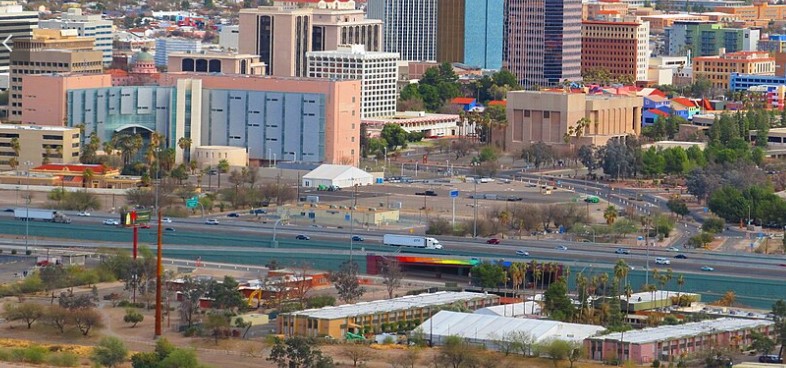
Tucson is one of those underestimated markets. It has university demand, moderate but consistent population growth, and still-reasonable prices.
I like mentioning it when someone wants to enter the multifamily space without fainting at the prices.
Knoxville (Tennessee): Strong Employment and Stability
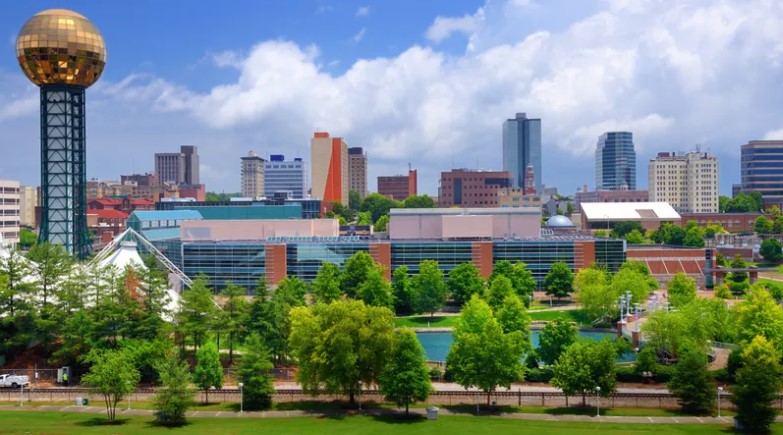
Knoxville is interesting because it grows slowly but steadily. Strong employment, solid fundamentals, and healthy rental demand.
I call it a “vitamin C market”: not always glamorous, but good for you.
Lexington (Kentucky): Accessibility First
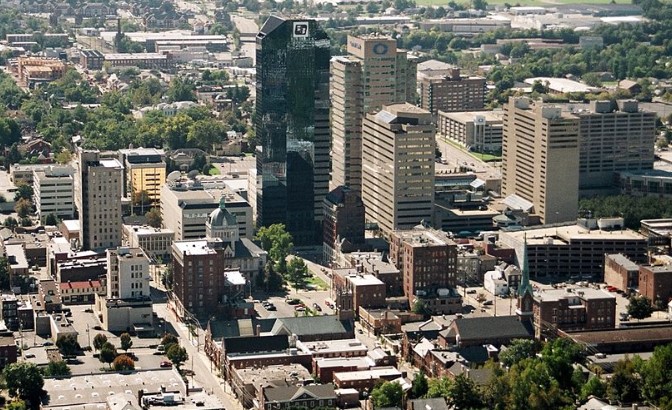
A perfect city for investors wanting lower entry costs. Good occupancy, solid rental pace, and real opportunities.
If you’re seeking a balance between risk and return, it could—without exaggeration—be an excellent starting point.
Established Markets That Still Turn Heads
Here we enter more familiar territory. These are cities with history, strong demand, and robust economies.
They’re not “cheap,” but they offer something priceless: predictability.
Las Vegas (Nevada): More Than Casinos
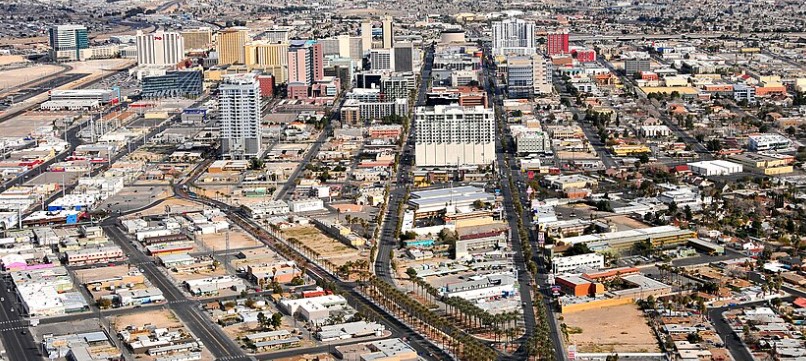
With still-reasonable prices and attractive cap rates, Las Vegas remains a magnet for investors.
Strong employment, migration, and sustained rental demand.
Atlanta (Georgia): The Giant of the Southeast
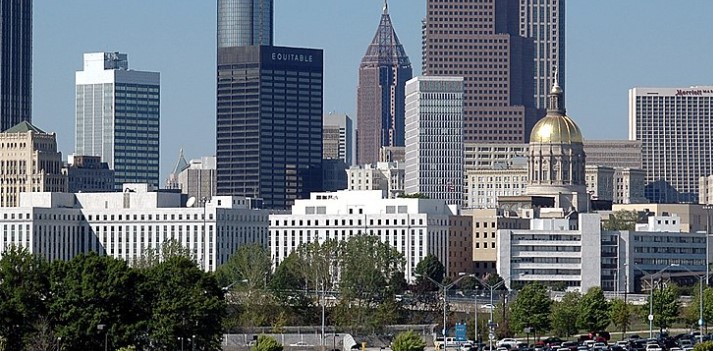
Atlanta combines employment, tech expansion, migration, development, and stability.
If you want scale, Atlanta embraces you.
Tampa (Florida): The Sunshine Magnet
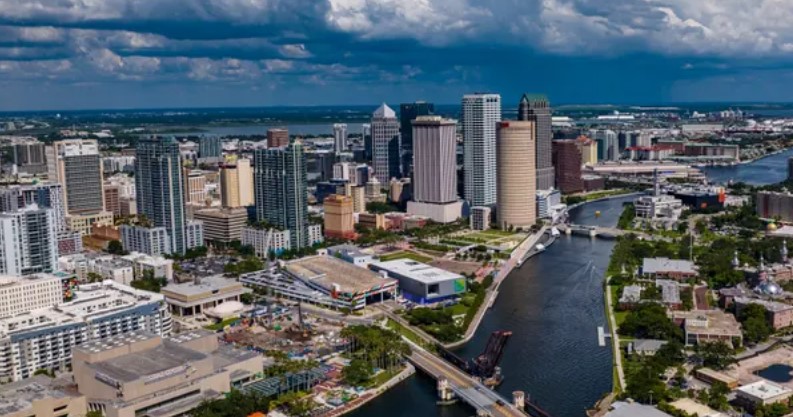
Population growth, weather, low taxes, dynamic economy…
Tampa is one of those markets many thought was already “too expensive,” yet it keeps surprising.
Salt Lake City (Utah): Order, Growth, and Steady Demand
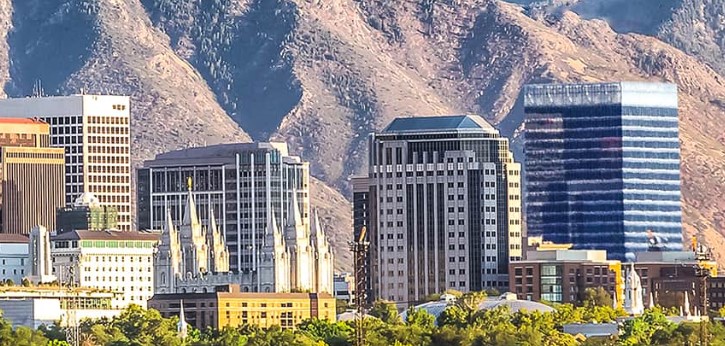
A city with an enviable combination: high occupancy, rising wages, and a strong labor market.
“In-Between” Markets: Where Small Multifamily Still Lives
Not everyone is looking for a 200-unit building. In fact, many people start with a 4-plex, 5-plex, 8-plex… and that is totally valid.
Louisville, Kansas City, St. Louis

These markets don’t always make the headlines, but they have accessible inventory, solid demand, and interesting cap rates.
Perfect for those building a step-by-step portfolio.
Want to Hear Something Personal?
My first small multifamily property was in an “in-between” city and, although I made mistakes (many, trust me), I learned something invaluable: in smaller markets, you get to truly know the market. You meet the handyman, the local agent, the neighbor who tells you where not to buy…
That closeness can be worth more than any chart.
And What Do Real Investors Say?
Outside of articles and headlines, I love reading investor forums because there, people speak without filters.
Some say Dallas–Fort Worth is the strongest market for employment, affordability, and demand. Others prefer smaller markets because they offer better off-market opportunities.
And then there are those who say something as simple as:
“Invest where you can travel easily. Where you can touch the property if something happens.”
And honestly, that phrase has saved me multiple times.
So… What Is Really the Best Place?
Here comes the answer nobody wants but everyone needs:
There is no single best place. There are markets that are ideal for your investment type.
But I can tell you this:
If You Want Appreciation
Tucson, Knoxville, Lexington, Salt Lake City.
If You Want Cash Flow
Louisville, Kansas City, Columbus, St. Louis.
If You Want Long-Term Stability
Atlanta, Tampa, Las Vegas, Charlotte.
If You Want to Enter With Low Capital
Intermediate Midwest markets are your spot.
Questions to Help You Find Your Ideal Market
Ask yourself these with brutal honesty:
- What keeps you up more: vacancy or low appreciation?
- Would you prefer a market you can travel to easily?
- Are you looking for immediate income or long-term growth?
- Are you willing to manage tenants directly?
- What would happen if your property stayed vacant for 30 days?
If you answer these without lying to yourself, your path toward the best place to buy multifamily investment properties becomes much clearer.
My Conclusion (Honest and Without Decorations)
The best market is the one where your numbers work, your values align, and where you can stay firm even when things get uncomfortable.
Don’t just look for “the best place.”
Look for the best place for YOU.